BMW Maintenance Schedule Guide: What Service Your Model Really Needs
BMW’s recommended maintenance schedule differs dramatically from traditional “3,000-mile oil change” thinking. Modern BMWs use an intelligent Condition-Based Service (CBS) system that adapts to your driving style—but that doesn’t mean you can ignore maintenance. Understanding what your BMW really needs at each interval saves money and prevents expensive repairs down the road.
Understanding BMW’s Condition-Based Service (CBS)
BMW revolutionized automotive maintenance with CBS, an intelligent system that monitors actual component wear rather than relying solely on mileage. Here’s how it works:
The CBS system uses sensors throughout your vehicle to track engine oil quality, brake pad thickness, coolant condition, and more. An oil quality sensor in the sump measures electrical conductivity as additives degrade. The system also monitors fuel consumption, engine temperature, load conditions, and driving patterns.
Based on real-time data, CBS calculates optimal service intervals. A BMW driven primarily on highways might show 15,000 miles until the next oil change, while one used for short city trips might need service at 8,000 miles. The iDrive display shows exactly what requires attention and when.
Maximum CBS Oil Change Intervals:
- Early CBS systems: Up to 15,000-16,000 miles
- 2014+ models: Reduced to 10,000 miles maximum
- Tucson recommendation: 5,000-7,500 miles (see Arizona considerations below)
The 5,000-Mile Reality Check
While CBS might indicate longer intervals, most BMW specialists recommend more frequent service—especially in Arizona. Here’s what should happen every 5,000 miles:
- Visual brake inspection
- Tire pressure check and rotation assessment
- Fluid level verification (coolant, brake fluid, washer fluid)
- Engine bay inspection for leaks
- Wiper blade condition check
- Battery terminal inspection
- General vehicle walk-around
This isn’t always a billable service—think of it as a health checkup that catches small problems before they become expensive repairs.
BMW Maintenance by Mileage Intervals
10,000 Miles / 12 Months (Oil Service)
Your first major service typically occurs around 10,000 miles or 12 months, whichever comes first.
What’s Included:
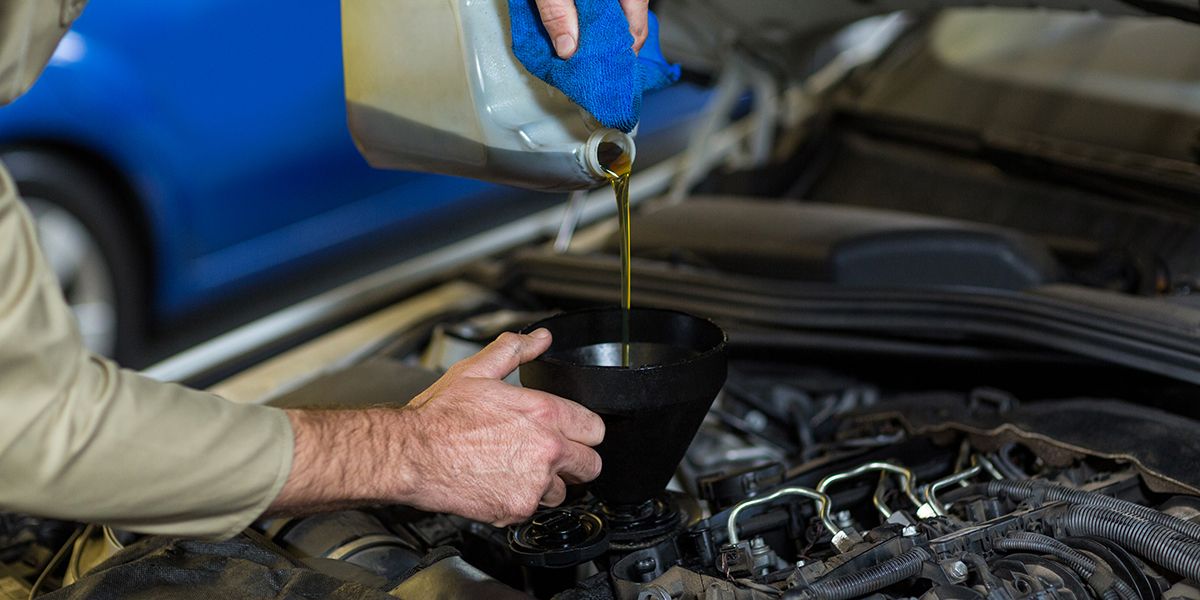
- Engine oil and filter replacement (synthetic oil required)
- Coolant level check and top-off
- Comprehensive multi-point inspection
- Brake system inspection
- Tire rotation (if wear pattern indicates need)
- CBS system reset
Estimated Cost: $200-$350
Tucson Tip: Consider 5,000-7,500 mile oil changes in extreme heat. Arizona’s 110°F+ summers accelerate oil degradation.
20,000 Miles / 24 Months
Building on the 10,000-mile service with additional filter replacements.
What’s Included:
- All 10,000-mile service items
- Cabin microfilter replacement
- Fuel filter inspection (pressure test)
- More detailed inspection of suspension components
Estimated Cost: $250-$400
30,000 Miles (Inspection 1)
This is your first major inspection—significantly more comprehensive than routine oil changes.
What’s Included:
- Complete oil service
- Engine air filter replacement (sooner in dusty Tucson conditions)
- Cabin air filter replacement
- Brake fluid inspection and possible flush (required every 2 years)
- Exhaust system inspection
- Steering system check
- Suspension component inspection
- Underbody inspection for leaks and damage
- HVAC system performance check
- Manual transmission fluid change (if applicable)
Estimated Cost: $400-$700
Critical for Manual Transmissions: Fluid change required at 30,000 miles. Automatics typically wait until 60,000+ miles.
40,000-50,000 Miles
Mid-life major service focusing on aging components.
What’s Included:
- Standard Oil Service
- Spark plug inspection and possible replacement (N54, N55 engines)
- Engine component inspection
- Driver assistance sensor calibration check
- Timing chain inspection (certain engines)
- Thermostat performance evaluation
Estimated Cost: $350-$600
Note: Your 4-year/50,000-mile new vehicle warranty expires here. Address any warranty-covered issues before this milestone.
60,000 Miles (Inspection 2)
The most comprehensive service interval your BMW will see.
What’s Included:
- Complete Inspection 1 services
- Brake fluid flush (mandatory—old fluid absorbs moisture)
- Automatic transmission fluid change
- Engine air filter replacement
- Brake pad and rotor inspection with likely replacement
- Spark plug replacement (most models)
- Coolant system inspection
- Differential fluid inspection
- Battery performance test and likely replacement
- Water pump inspection (common failure point)
Estimated Cost: $800-$1,500
Arizona Consideration: Battery and cooling system failures accelerate in heat. Proactive replacement at 60,000 miles prevents breakdowns.
70,000-90,000 Miles
Repeat 40,000-mile services with increased focus on wear components.
Key Focus Areas:
- Suspension components (worn bushings, ball joints)
- Timing belt replacement (if equipped—rare on modern BMWs)
- Cooling system hoses and connections
- Electronic system diagnostics
- Transmission health assessment
Estimated Cost per Service: $400-$800
Beyond 90,000 Miles
Continue 5,000-mile maintenance cycles and repeat major intervals. High-mileage BMWs require increased attention to:
- Oil consumption monitoring
- Cooling system component replacement (water pump, radiator, hoses)
- VANOS system maintenance
- Transmission service
- Suspension refresh
Model-Specific Maintenance Variations
3 Series & 4 Series (F30/F32)
- N20 engines: Watch for timing chain issues after 80,000 miles
- N55 engines: VANOS solenoids are common around 70,000 miles
- Charge pipe replacement is recommended for tuned vehicles
5 Series & 6 Series
- N54 engines: More frequent service recommended (see our N54 vs N55 guide)
- Larger brake systems require more expensive pad/rotor service
- Air suspension (if equipped) requires specialized service
X3, X4, X5, X6 SUVs
- xDrive system requires differential fluid service
- Heavier vehicle weight accelerates brake wear
- Additional undercarriage inspections for off-road use
M Models
- Shorter service intervals are recommended
- Differential fluid changes are more frequent
- High-performance brakes require premium pads/fluid
Arizona-Specific Maintenance Adjustments
Tucson’s extreme climate requires modifications to standard BMW maintenance schedules:
Oil Changes: Reduce CBS intervals by 30-40%. If CBS says 10,000 miles, service at 6,000-7,000 miles. Heat breaks down oil faster, especially in turbocharged engines.
Cooling System: Inspect annually. Water pump failures are more common and catastrophic in 115°F heat. Flush coolant every 60,000 miles (BMW recommends every 2 years or per CBS).
Battery Life: Expect 3-4 years maximum vs. 5-6 years in moderate climates. Test at every service after 24 months.
Rubber Components: Gaskets, seals, and hoses deteriorate faster. Proactive replacement prevents leaks and failures.
Air Filters: Replace cabin and engine air filters more frequently due to desert dust. Every 15,000-20,000 miles vs. 30,000-mile standard.
Brake Fluid: Flush every 18-24 months. Moisture absorption accelerates in humidity fluctuations during the monsoon season.
CBS vs. Reality: When to Ignore the Computer
The CBS system optimizes for European driving conditions and extends free maintenance coverage periods. However, several situations warrant more frequent service:
Ignore CBS and Service More Often If:
- You make frequent short trips (under 10 miles)
- Your BMW sits unused for extended periods
- You drive in dusty or dirty environments
- You experience extreme temperature variations
- Your engine is turbocharged (N54, N55, N20, B58)
- Your vehicle has exceeded 80,000 miles
Trust CBS When:
- You primarily drive highway miles
- Your oil consumption is minimal
- You don’t see warning lights between services
- Your BMW is low-mileage and well-maintained
DIY vs. Professional Service: What You Can Handle
Easy DIY Tasks:
- Checking and topping off fluids
- Wiper blade replacement
- Cabin air filter replacement
- Battery terminal cleaning
- Tire pressure monitoring
Leave to Professionals:
- Oil changes (disposal requirements, CBS reset needs)
- Brake service (critical safety component)
- Coolant flushes (proper air bleeding required)
- Any drivetrain work
- Electronic diagnostics and programming
BMW-specific diagnostic tools cost thousands. Professional service ensures proper CBS resets, accurate diagnostics, and warranty protection.
Maintenance Cost Planning
Budget approximately:
- Annual Maintenance: $1,000-$1,500 (two services)
- Major Inspection Years: $1,500-$2,000
- Emergency Fund: $500-$1,000 for unexpected repairs
High-mileage BMWs (100,000+ miles) may require $2,000-$3,000 annually as major components age.
Why Proper Maintenance Matters
BMW engines are precision machines. Skipping services leads to:
- Sludge buildup is destroying turbos and VANOS systems
- Timing chain stretching is causing catastrophic engine damage
- Water pump failures leading to overheating
- Brake fluid degradation reduces stopping power
- Battery failure stranding you in 110°F heat
A $300 oil change prevents a $3,000 turbo replacement. A $150 coolant flush prevents a $5,000 engine rebuild.
The Bottom Line
BMW maintenance isn’t cheap, but it’s predictable. Following a proper schedule—adjusted for Arizona’s extreme climate—keeps your Ultimate Driving Machine performing as engineered. The CBS system is a helpful tool, but it shouldn’t replace common sense and climate-appropriate service intervals.
At Little Germany, we’ve maintained BMWs in Tucson’s demanding environment since 1974. Our technicians understand both BMW’s engineering and Arizona’s unique challenges. We use factory diagnostic equipment to properly service CBS-equipped vehicles while recommending adjustments for desert driving.
Ready to schedule maintenance? Contact Little Germany today at 520-881-3273. We offer transparent pricing, genuine parts, and expert service for all European vehicles.