BMW VANOS System Explained: Complete Guide for Tucson Owners

If you’ve heard your BMW mechanic mention “VANOS” and wondered what it means, you’re not alone. This critical system controls your engine’s performance, efficiency, and power delivery—and when it fails, you’ll definitely notice. Understanding how VANOS works and recognizing failure symptoms can save you from expensive engine damage.

What is BMW VANOS?

VANOS stands for “Variable Nockenwellensteuerung”—German for variable camshaft timing. Introduced in 1992, VANOS is BMW’s proprietary variable valve timing technology that adjusts the timing of your engine’s intake and exhaust valves based on driving conditions.

Think of it as your engine’s brain making real-time decisions. At low RPMs, VANOS retards valve timing for smooth idling and better fuel economy. As engine speed increases, the timing is advanced to maximize power and torque. This constant adjustment is why BMW engines feel responsive across the entire rev range.

How the VANOS System Works

The VANOS unit sits between your camshaft and timing chain, using engine oil pressure and electronically-controlled solenoids to adjust camshaft position. Here’s the process:

Your engine’s ECU (Engine Control Unit) monitors throttle position, RPM, oil pressure, engine load, and mass airflow. Based on these inputs, the VANOS solenoids are signaled to route oil through passages in the VANOS unit. This oil pressure controls a piston and helical gear that adjusts the camshaft angle relative to the crankshaft.

The adjustment happens continuously while driving—not just at a specific RPM “kick-in” point like some other variable valve timing systems. VANOS can advance intake camshaft timing by up to 40 degrees and adjust exhaust timing for optimal performance.

Single vs Double VANOS: Understanding the Difference

Single VANOS (1992-1996): Only adjusts the intake camshaft timing. Found in earlier M50, M52, and S52 engines. Simpler design but less precise control.

Double VANOS (1996-present): Controls both intake and exhaust camshafts independently. Offers better emissions control, faster warm-up times, improved fuel economy, and smoother power delivery throughout the RPM range.

Most modern BMW engines use Double VANOS, including popular N52, N54, N55, and newer B-series engines. Some models also combine VANOS with Valvetronic (variable valve lift) for even greater efficiency.

Common BMW VANOS Problems

1. VANOS Solenoid Failure

The solenoids control oil flow to the VANOS units and can fail due to wear, dirt contamination, or old oil. Symptoms include rough idle, check engine lights with camshaft position codes (P1397, 2A82, 2A87), loss of low-end power, and hesitation during acceleration.

Repair Cost: $300-$600 for solenoid replacement

2. Worn VANOS Seals

Rubber o-ring seals inside the VANOS pistons deteriorate from heat, pressure, and chemical exposure. Failed seals prevent proper oil pressure, causing the distinctive “VANOS rattle”—a diesel-like ticking noise at startup or idle.

Repair Cost: $400-$800 for seal replacement (DIY kits available for $150-$300)

3. Oil Sludge and Contamination

Dirty oil clogs VANOS oil passages and solenoid screens, preventing proper operation. Using incorrect oil viscosity or extending oil change intervals accelerates this problem—especially critical in Arizona’s hot climate.

Prevention: Regular oil changes with BMW-approved synthetic oil

4. VANOS Unit Internal Wear

High-mileage engines experience worn bearings, washers, and spline gears inside the VANOS unit. The splined shaft can develop excessive play, leading to rattling and timing inconsistencies.

Repair Cost: $800-$1,500 for a complete unit rebuild or replacement

5. Camshaft Position Sensor Failures

While not part of the VANOS unit itself, these sensors provide feedback to the ECU. Sensor failures cause similar symptoms and often get misdiagnosed as VANOS problems.

Repair Cost: $150-$300 for sensor replacement

Recognizing VANOS Failure Symptoms

Watch for these warning signs:

Performance Issues:

  • Loss of power, especially below 3,000 RPM
  • Sluggish acceleration and “bogging” sensation
  • Rough or unstable idle
  • Engine stalling at stops

Audible Symptoms:

  • Rattling, ticking, or knocking from the engine at startup
  • Diesel-like engine sound at idle
  • Unusual engine noise during acceleration

Operational Problems:

  • Check the engine light with VANOS-related codes
  • Significant decrease in fuel economy
  • Poor cold-start performance
  • Engine hesitation or jerking during throttle application

Arizona-Specific VANOS Considerations

Tucson’s extreme climate accelerates VANOS deterioration:

High Heat Effects:

  • Rubber seals degrade faster in temperatures exceeding 110°F
  • Oil breaks down more quickly, losing viscosity
  • Increased thermal cycling stresses components

Maintenance Recommendations:

  • Shorten oil change intervals to 5,000 miles (not BMW’s 10,000-mile interval)
  • Use high-quality synthetic oil meeting BMW LL-01 specifications
  • Consider synthetic oil with enhanced high-temperature protection
  • Inspect VANOS seals proactively around 70,000-80,000 miles

VANOS Repair Costs in Tucson

Repair costs vary based on the specific problem and BMW model:

  • Solenoid cleaning: $150-$250 (sometimes resolves issues temporarily)
  • Solenoid replacement: $300-$600
  • Seal replacement: $400-$800
  • Complete VANOS rebuild: $800-$1,500
  • Full unit replacement: $1,200-$2,500

Labor costs represent the majority of expenses. Accessing VANOS units requires removing valve covers, timing components, and, in some cases, additional engine parts.

Preventative Maintenance Tips

Extend your VANOS lifespan with these practices:

  1. Follow strict oil change schedules – Use quality synthetic oil every 5,000 miles
  2. Use correct oil specifications – BMW LL-01 approved oils only
  3. Address oil leaks immediately – Low oil pressure kills VANOS systems
  4. Replace seals proactively – Consider replacement at 70,000-100,000 miles
  5. Don’t ignore warning signs – Early intervention prevents expensive failures
  6. Avoid extended idling – Especially in Arizona heat

When to Seek Professional Help

VANOS diagnosis requires specialized BMW scan tools and technical knowledge. While solenoid cleaning is DIY-friendly, most repairs need professional expertise. Incorrect timing or improper installation can cause catastrophic engine damage.

At Little Germany, our technicians have extensive experience diagnosing and repairing VANOS systems across all BMW models. We use BMW-specific diagnostic equipment to pinpoint problems accurately—saving you money by avoiding unnecessary parts replacement.

The Bottom Line on VANOS

The VANOS system is engineering brilliance that makes BMW engines responsive and efficient. However, it requires proper maintenance and timely repairs to function correctly. Most VANOS problems stem from neglected oil changes and deferred maintenance—both preventable with regular service.

If you’re experiencing any VANOS symptoms, don’t wait. What starts as a $300 solenoid replacement can escalate into a $2,500 VANOS unit replacement or worse—internal engine damage from incorrect valve timing.

Experiencing rough idle, power loss, or VANOS rattle? Contact Little Germany today at 520-881-3273 for expert BMW diagnosis and repair. We’ve been Tucson’s trusted European auto specialists since 1974.

BMW N54 vs N55 Engine: Which Has More Problems?

f you own or are considering buying a BMW 335i, 135i, or 535i, understanding the difference between the N54 and N55 engines is crucial. Both are legendary turbocharged inline-six powerplants, but they have distinct reliability profiles that every BMW owner in Tucson should know about.

Understanding BMW’s Turbocharged Evolution

The N54 engine (2007-2016) was BMW’s first mass-produced twin-turbocharged engine, marking a revolutionary shift for the brand. Featuring parallel twin Mitsubishi TD03 turbos and direct fuel injection, it produced 300 horsepower and became famous among tuners for its massive power potential.

The N55 engine (2009-2016) replaced the N54 as BMW’s answer to reliability concerns. Switching to a single twin-scroll turbocharger and adding Valvetronic variable valve lift, the N55 was designed to maintain performance while addressing the N54’s most problematic components.

BMW N54 Engine: Common Problems Every Owner Faces

1. High-Pressure Fuel Pump Failure

The N54’s high-pressure fuel pump (HPFP) is notorious for sudden failure. Symptoms include extended cranking time, rough idle, loss of power, and even complete no-start conditions. BMW extended warranty coverage to 10 years/120,000 miles due to widespread failures, though many N54 engines have now exceeded this coverage period.

Repair Cost: $800-$1,500 for HPFP replacement

2. Wastegate Rattle and Turbo Failure

Wastegate rattle—that distinctive rattling noise on cold starts—plagued early N54 turbos. The wastegate actuator arms wear out, causing poor boost control and eventually complete turbo failure. Many owners report turbo replacement between 80,000 and 120,000 miles.

Repair Cost: $2,000-$4,000 for turbo replacement (both turbos recommended)

3. Fuel Injector Problems

The N54 uses piezoelectric direct-injection injectors that are precision-engineered but prone to failure. Carbon buildup, internal failures, and fuel leaks onto spark plugs cause misfires, rough running, and potential catalytic converter damage.

Repair Cost: $2,000-$3,000 for complete injector replacement

4. Oil Leaks and Front Main Seal Catastrophe

Valve cover gaskets, oil filter housing gaskets, and oil pan gaskets commonly leak on the N54. The most dangerous issue? Oil leaks saturating the serpentine belt, causing it to slip behind the crankshaft seal and block the oil pickup tube—resulting in catastrophic engine failure.

Prevention Cost: $500-$1,200 for gasket replacements

5. Carbon Buildup on Intake Valves

Direct injection means the fuel never washes the intake valves, leading to carbon deposits that reduce power, cause misfires, and affect fuel economy. BMW recommends walnut blasting every 40,000-60,000 miles.

Maintenance Cost: $400-$700 for walnut blasting service

BMW N55 Engine: Improved But Not Problem-Free

1. Electric Water Pump Failure

The N55’s electric water pump is a weak point shared across many BMW engines. Composite impeller failure can happen as early as 30,000 miles, causing overheating and potential engine damage—especially critical in Tucson’s extreme summer heat.

Repair Cost: $600-$1,000 (thermostat replacement recommended simultaneously)

2. Valve Cover Gasket and PCV Valve Leaks

Similar to the N54, the N55 valve cover gasket deteriorates from constant heat cycling. The integrated PCV (Positive Crankcase Ventilation) valve can fail, causing rough idle and oil consumption.

Repair Cost: $500-$800 for valve cover and gasket replacement

3. VANOS Solenoid Issues

Variable valve timing solenoids can become clogged with oil sludge or fail from wear. Symptoms include rough idle, loss of low-end power, reduced fuel economy, and check engine lights.

Repair Cost: $300-$600 for solenoid replacement

4. Oil Filter Housing Gasket Leak

While less severe than N54 failures, OFHG leaks are common and can contaminate coolant if left unaddressed. Replacing the $15 gasket requires significant labor.

Repair Cost: $400-$700 for OFHG replacement

5. Charge Pipe Cracking

Factory plastic charge pipes become brittle and crack, especially on tuned vehicles. This causes boost leaks and power loss.

Repair Cost: $300-$600 (upgraded aluminum pipes recommended)

N54 vs N55: The Reliability Verdict

Winner: N55 (Slightly More Reliable)

The N55 addressed many of the N54’s critical failures:

  • Single turbo eliminates twin-turbo complexity and wastegate rattle
  • Solenoid injectors are more reliable than N54’s piezo injectors
  • HPFP was improved (after 2011 models)
  • No major front seal catastrophe risk

However, the N55 isn’t problem-free. It still suffers from oil leaks, water pump failures, and VANOS issues common to BMW engines.

The N54 advantage? Stronger internals (forged crankshaft, rods) and significantly better tuning potential. Enthusiasts often accept N54 reliability concerns in exchange for power gains.

Tucson-Specific Considerations

Arizona’s extreme climate accelerates specific BMW engine problems:

  • High temperatures stress cooling systems, making water pump failure more likely
  • UV exposure degrades rubber gaskets and plastic components faster
  • Heat cycling from monsoon temperature swings affects seal integrity
  • Low humidity increases intake carbon buildup

Regular maintenance becomes even more critical for BMW owners in Tucson.

Maintenance Tips for Both Engines

  1. Change oil every 5,000 miles with quality synthetic oil (not BMW’s 10,000-mile interval)
  2. Monitor for oil leaks monthly—catch them before belt contamination
  3. Use premium fuel and fuel system cleaners to prevent injector/carbon issues
  4. Inspect cooling system annually—especially critical in Arizona
  5. Address check engine lights promptly—small issues become expensive repairs

Which Engine Should You Choose?

Choose the N54 if:

  • You want maximum tuning potential
  • You’re prepared for higher maintenance costs
  • You enjoy working on cars or have a trusted independent shop

Choose the N55 if:

  • Reliability is your priority
  • You prefer lower overall maintenance costs
  • You want a daily driver with good performance

Expert BMW Repair in Tucson

Both engines require specialized knowledge and diagnostic equipment. At Little Germany, our BMW-certified technicians have extensive experience with N54 and N55 engines. We understand the unique challenges Arizona’s climate presents and can help you maintain your BMW’s performance and reliability.

Whether you’re dealing with HPFP failure, turbo issues, oil leaks, or routine maintenance, our team provides honest diagnostics and quality repairs using OEM or equivalent parts. We’ve been Tucson’s trusted European car repair specialists since 1974.

Experiencing BMW engine problems? Schedule a diagnostic appointment with Little Germany today at 520-881-3273.

Bottom Line: While the N55 is more reliable overall, both engines can provide years of enjoyable driving with proper maintenance. The key is working with specialists who understand these complex turbocharged engines and Tucson’s demanding climate.

BMW Driving Experience

BMW Driving Experience

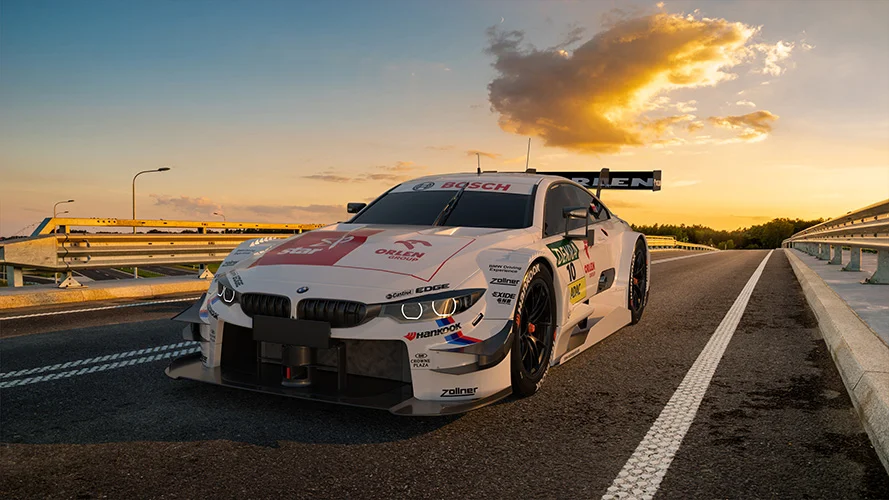
BMW Driving Experience on RacetrackBMW is one of the first providers of driver training courses and driving experiences. Since 1977, there have been about 50 different training courses with both Mini and BMW models. BMW offers amazing driving experiences in the ultimate driving machine. And not only in training grounds but also in race tracks and scenic routes. Hone your driving skills in a unique track layout set with challenges. Let experienced instructors guide you on the track and also teach you the basics.

Our article gives you a glimpse into the BMW driving experience, the various programs available, costs (if any), durations, and more. We’ll be covering the following main topics:

What Is the BMW Driving Experience?

The BMW driving experience aims to improve the safety of the drivers while enjoying the power and joy of driving a BMW. It teaches its customers, fundamentals of safe and skillful driving. And not only on roads and race tracks but also in all conditions, including snow and asphalt. With the training, you can master your vehicle in any situation and navigate in a safe manner. Not only that, but you also get to test your limits and enjoy driving in its pure form. Apart from that, you also have the Ultimate Driving Experience. Here you can lay your hands on the newest BMW models.

  • Autocross – Test the BMW M440i xDrive Coupe on a challenging autocross course. You also have professional instructors guiding you via radio, providing directions and tips.

  • Street Drives – Choose from a lineup of the newest BMW models and hit the streets for a first-hand experience.

  • Vehicle Showcase – Check out the latest features and technology that goes into the making of a BMW.

  • Plug-in Performance – Familiarize yourself with hybrid vehicles and their handling. You also have a demonstration of how they react on the road.

  • M Car Control Clinic – Learn to handle the BMW M Series under the guidance of instructors.

Is the BMW Ultimate Driving Experience Free?

All of BMW’s Ultimate Driving Experience programs are free except the M Car Control Clinic. The latter is a half-day session and costs you $250 per session.

How Long Does it Last?

The Ultimate Driving Experience program is 90 minutes long except for the M Car Control Clinic which is half a day long.

Vehicles in the BMW and Mini Driving Experience

The BMW driving experience includes an extensive list of vehicles from BMW 2 Series to BMW M4 Competition. It also includes new passenger cars and even the MINI John Cooper Works. And also the BMW Motorrad models.

  • BMW 1 to 7 Series
  • BMW X Series
  • BMW M3 Competition Sedan
  • BMW M4 Competition Coupe
  • BMW 330d
  • MINI John Cooper Works

Though the experience has a wide variety, the car you drive depends on your skill and the need. For example, beginners drive the BMW 1 Series. And more experienced drivers get to handle the BMW X models. Keep in mind the official fuel consumption, electric power consumption, electric range figures, and CO2 emissions are set on the European Regulations. The WLTP numbers allow for optional equipment. WLTP values used for assessing taxes and other vehicle-related charges also depend on the CO2 emissions. They also include vehicle-specific subsidies if applicable. The listed NEDC values are calculated based on the new WLTP measurement procedure. They are then converted to NEDC measurement procedures to help compare better. For further information on WLTP and NEDC measurement procedures, refer to the BMW website.

BMW Driving Experience

Get behind the wheel of your favorite BMW model and learn from experienced instructors the physics of driving. The personal experience is sure to bring you sheer driving pleasure while expanding your driving skills. Here are the different training variants:

BMW Academy Experience

Be it a beginner or an experienced driver, you can learn new skills at the BMW Academy Experience. With customized training, this experience takes your driving skills to a whole new level:

  • Dangerous Driving Situations
  • Emergency Braking Maneuvers
  • Spot Braking
  • Drifting
  • Much More…

The academy experience is conducted by trained instructors who take you through the paces. With their help, you can enjoy the challenge of driving without getting frustrated. You learn to stay calm in the most challenging of situations and react in a suitable manner. The academy experience includes the following training:

  • Drift Training
  • Afterwork Training
  • Compact Safety Training
  • Compact Safety Training Young
  • Safety Training
  • Safety Training Young
  • 4 Series Drift Training
  • Performance Drive
  • Safety Training for People with Disabilities

All the above training programs are half a day long and for drivers with different skill levels.

BMW M Race Track Experience

Enjoy your need for speed at the BMW race track experience. Get an opportunity to race on the international race tracks on the BMW M series vehicles. Work with your instructor and experience the tracks generally reserved for professionals. For those yearning for more, you have intensive training. Learn to drive a real racing car with the M4 GT4 training on renowned race tracks. However, for this training, you need excellent driving skills. With the test drive, you get to drive the BMW M4 GT4, a 480 hp racing car, for ten guided laps.

  • Race Track Compact Drive
  • Race Track Training
  • Race Track Training Plus
  • M4 GT4 Training Level 1
  • M4 GT4 Training Level 2
  • M4 GT4 Training Level 3
  • M4 GT4 Test Drive
  • M Track Days

The duration of the training courses ranges from half a day to 2 days depending on the program.

BMW Winter Experience

The BMW winter experience pits your skills against the winter conditions. It teaches you how to stay in control and react. And, not any race track but in actual snowy conditions with incredible landscape backdrops. Hence, you get to enjoy the rugged landscapes while learning to drive in snow and ice. Moreover, you are also instructed on extreme driving physics with advice from instructors.

  • BMW Winter ExperienceSnow Training
  • Snow Training Plus
  • Snow Training Deluxe
  • Snow-Drift Training
  • Snow-Drift Training Plus
  • Ice Training
  • Ice Training Plus
  • Ice Training Max

The duration of the experience varies from 1 day and one overnight stay to 5 days, four overnight stays depending on the program.

BMW Professional Driver Experience

Are you a driver or a chauffeur? Do you have people relying on your skills? The BMW professional driver experience helps build those skills and improve them. Expert instructors from BMW teach you the physics of vehicle handling. And not everyday situations but also emergency circumstances. The training course is designed to meet the requirements of your job in every situation.

  • Compact Safety Training
  • Safety Training
  • BMW Protection Vehicles Training Level 1
  • BMW Protection Vehicles Training Level 2
  • Snow Training
  • Compact Snow Training

Conclusion

While there are many driver experiences, there’s nothing like the BMW driving experience. Apart from the predefined training modules, BMW also offers custom tours and events. When it comes to events, you have your picks from scenic drives, meet and drive, and personal coaching. In addition, customers get to choose the duration, events, and desired vehicles.

Little Germany LogoFor over 45 years, Little Germany is a certified Service Center that specializes in full service and repair services for German-made cars such as the BMW. Contact Little Germany for all your auto repair needs. If you need service after our normal business hours, please fill out our After-Hours form.

Another related article you may enjoy:

CS Design Studios - Web Design Tucson
Copyright © - Little Germany Tucson